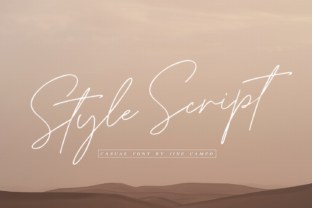
Discovering the Unique Charm of Style Script
There’s a certain magic in a typeface that feels both personal and polished, one that carries the warmth of a handwritten note but possesses the clarity needed for professional work. Style Script is precisely that kind of design asset. It’s a premium script font that radiates personality, offering a unique blend of casual elegance and modern flair. For designers, entrepreneurs, and creators, it’s not just another letterform—it’s a tool for storytelling, capable of infusing projects with an authentic, human touch that standard fonts often lack.
The Visual Language of Style Script
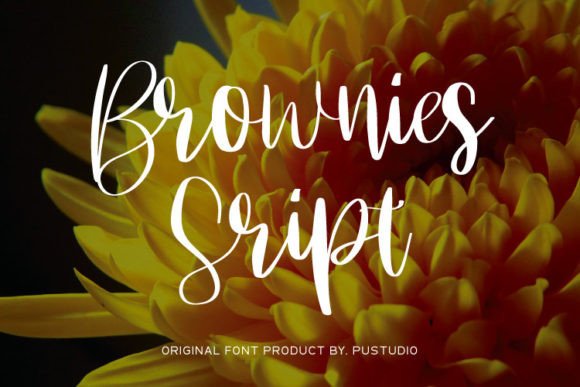
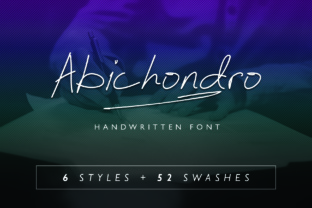
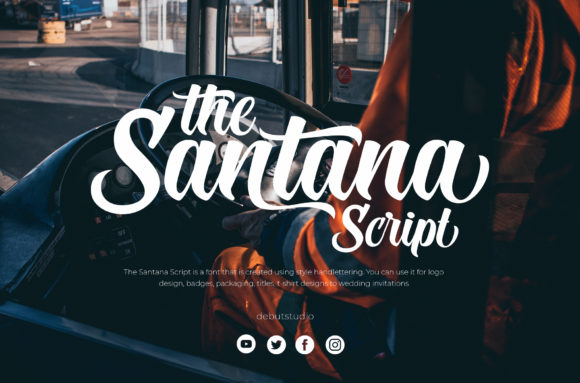
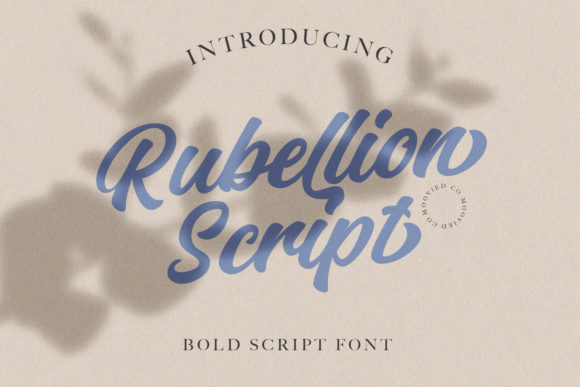
At its core, Style Script is a contemporary handwritten font that avoids the pitfalls of overly decorative or illegible scripts. Its character lies in its fluid, confident strokes and balanced letterforms. You’ll notice a natural variation in the baseline, mimicking the organic rhythm of real handwriting, yet each character connects seamlessly, ensuring a smooth reading experience. The font often includes stylistic alternates and ligatures, allowing you to customize the look and prevent repetitive patterns. This thoughtful design makes it a versatile creative font, equally at home on a wedding invitation as it is on a coffee shop menu board.
Where Style Script Truly Shines
Understanding where a font excels is key to using it effectively. Style Script is fundamentally a display font, meaning its primary strength is in headlines, logos, and short, impactful text blocks. It’s built for moments where you want to capture attention and convey a specific mood.
- Logo Design & Brand Identity: This is where Style Script can be transformative. For brands aiming for a boutique, artisanal, or approachable feel—think craft breweries, bakeries, lifestyle blogs, or boutique consultancies—it provides an instant personality. It helps build a brand identity that feels authentic and memorable, setting you apart from competitors using overused generic fonts.
- Packaging & Editorial Design: On product labels, book covers, or magazine headlines, Style Script adds a layer of sophistication and charm. It draws the eye and creates a focal point, making it perfect for editorial design where you need to guide a reader’s attention quickly.
- Digital & Social Media: In the fast-scrolling world of social media graphics, a distinctive script font can stop the thumb. Use it for Instagram quotes, YouTube thumbnails, or website hero sections to create immediate visual interest. Its personality helps content feel more curated and less templated.
- Personal & Commercial Projects: From crafting personalized greeting cards and wedding stationery to designing professional marketing materials for a small business, its range is impressive. It’s a true workhorse commercial font for projects that demand both style and substance.
Making an Impact: Readability and Perception
A beautiful font is useless if it can’t be read. Style Script navigates this balance well, but smart application is crucial. Its influence on readability and visual hierarchy is significant. Used as a headline, it immediately establishes a mood—be it playful, elegant, or rustic—and sets the tone for the accompanying body text, which should typically be a clean sans serif font or a simple serif font.
This pairing is fundamental. Imagine a website for a floral studio: using Style Script for the main heading (“Artisanal Bouquets”) paired with a neutral sans serif like Lato for the body copy creates a clear, attractive hierarchy. The script font handles the emotional appeal, while the sans serif ensures product descriptions and contact information are effortlessly legible. This thoughtful combination enhances brand perception, signaling professionalism and an eye for detail. Consistency in using Style Script across your materials—from your logo to your email newsletters—builds recognition and reinforces your brand’s unique voice.
A Practical Guide to Using Style Script
Integrating any new design asset into your workflow requires a practical approach. Here’s how to evaluate and implement Style Script effectively.
- Evaluate the Project Fit: Before you commit, ask: Does this project need a human, personal touch? Is it a display context (a headline, logo, short phrase) rather than a long body of text? If you’re designing a legal document or a technical manual, a script font is likely the wrong choice. If you’re creating a social media graphic for a bakery’s new cupcake flavor, it’s perfect.
- Test Font Pairings Relentlessly: Don’t just pair it with the first font you think of. Experiment. Style Script often pairs beautifully with geometric sans serifs (like Montserrat or Poppins) for a modern look, or with elegant serifs (like Playfair Display) for a more classic, editorial feel. The goal is contrast in style but harmony in mood.
- Explore the Full Character Set: A quality premium font like Style Script will come with more than just the basic alphabet. Look for stylistic alternates—different versions of key letters like ‘b’, ‘o’, or ‘s’—that you can swap in to avoid repetition. Also check for ligatures (custom letter pairs like ‘th’ or ‘ll’) that flow more naturally. These features are what elevate a design from good to great.
- Mind the Spacing and Size: Script fonts generally need more generous letter-spacing (tracking) than sans serifs to avoid looking cramped. Test it at the actual size it will be viewed. A logo for a business card needs to remain clear at small sizes, while a website banner has more room for expressive detail.
- Understand the License: If you’re using it for client work, merchandise, or any commercial project, ensure you have the correct commercial font license. This is a non-negotiable part of professional practice. The license file that comes with your purchase will outline permitted uses.
Ultimately, Style Script is more than just a typeface; it’s a catalyst for creativity. It empowers you to move beyond sterile, impersonal design and inject genuine warmth and character into your work. By understanding its strengths and applying it with intention, you can leverage its unique charm to create designs that don’t just look good—they feel right and connect with your audience on a human level. Take the time to explore its features, test its limits, and discover how it can become a signature element in your creative toolkit.